Planning
Do you need a verified view for your planning application?
Verified views are expensive and slow to produce, so they're worth commissioning only when the application actually needs one. Here's how to tell.
5 min read
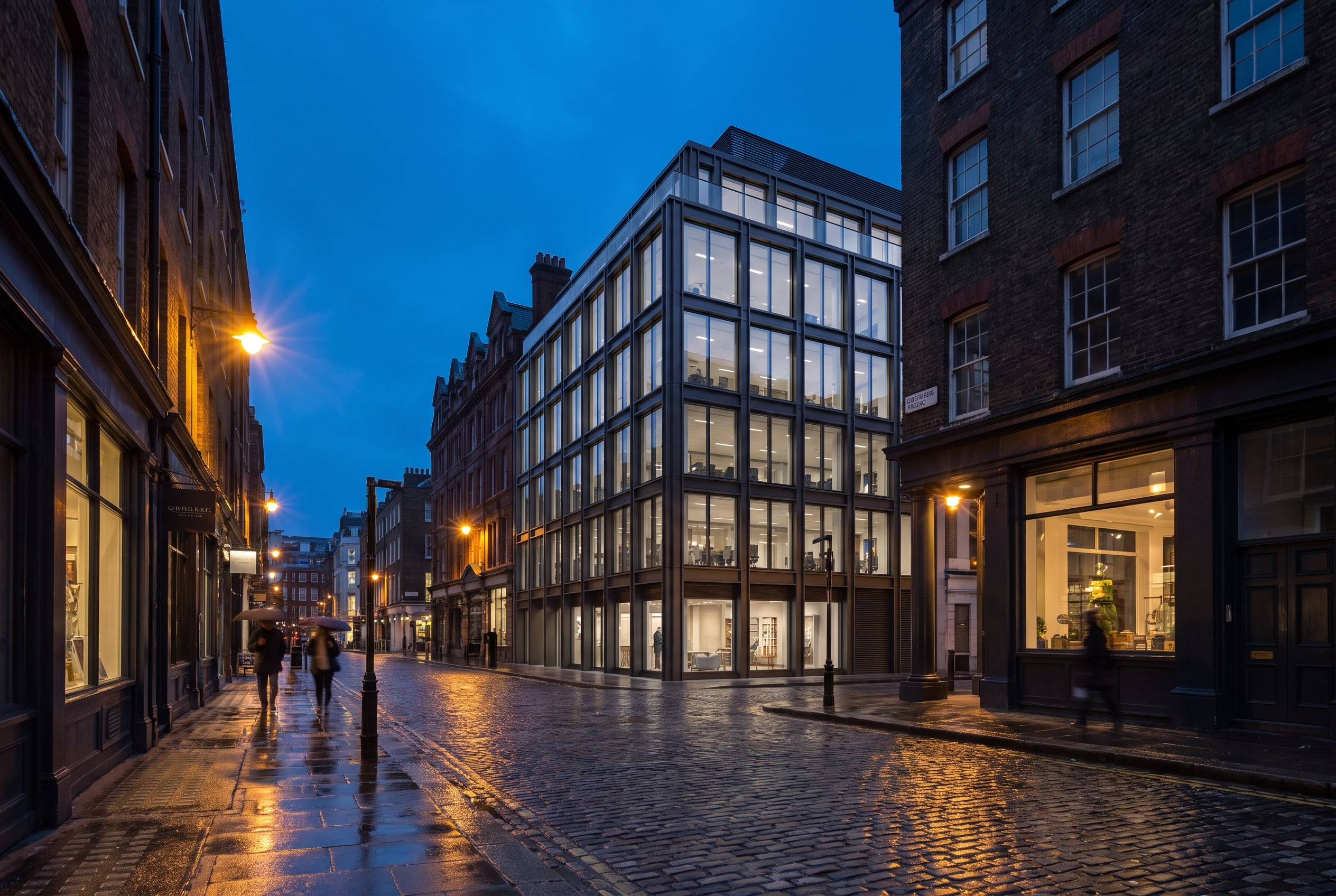
A verified view — more properly an Accurate Visual Representation, or AVR — is a visualisation produced to a documented, survey-accurate methodology so that it can be relied upon as evidence in the planning process. It is not the same thing as a marketing render, and the two are not interchangeable. A verified view is chosen for its accuracy; a marketing image is chosen for its appeal.
Because a verified view involves a land survey, site photography from recorded positions, and camera matching to a georeferenced model, it costs more and takes longer than a standard render. So the useful question is not "can we have one" but "does this application actually require one".
You probably need one if
- The scheme is a tall building, or tall relative to its context.
- The site sits in or beside a conservation area or a listed setting.
- The application is an EIA scheme with a townscape and visual impact chapter.
- A designated or protected view is engaged (for example an LVMF corridor in London).
- The case officer, or an objector, has raised the visual impact of the proposal.
You probably don't need one if
A modest scheme with no protected views nearby, no heritage sensitivity and no townscape chapter usually does not require a verified view. A well-judged contextual planning render — accurate to the massing and the surroundings, but without the full survey methodology — will often do the job at a fraction of the cost and time.
If you are not sure, the honest answer is to ask the case officer or your planning consultant which viewpoints they expect and to what standard. The viewpoint list should come from them, not be invented by the visualiser.
What you actually get
A verified view package is delivered as a set of sheets showing the baseline (the existing view) and the proposed view at the correct field of view and scale, accompanied by a written methodology statement recording how each image was produced — the camera position, date, time, lens and conditions. That statement is what makes the image defensible if it is challenged at committee or appeal.